

Machine learning, or ML, has been around for decades, and its business applications have been all over the news. Implementing machine learning models across different industries allows businesses to scale faster. From customer support to decision-making and pricing to lead conversion, it helps to automate everything. Statistics show that 20% of executives across 10 countries use machine learning for their businesses. Machine learning applications extend beyond business, and they can potentially bring valuable solutions to real-world problems. In this article, you will learn how machine learning can solve some of the seemingly complex and unsolvable problems that the real world faces today.
What is machine learning?
Machine learning is a subset of AI or artificial
intelligence that enables machines to learn automatically
from historical data to identify patterns and predict
outcomes. The
applications of machine learning
include disease diagnosis and treatment, customer service
through chatbots, detection of fraudulent financial
transactions, traffic congestion and accident prevention,
monitoring environmental changes, and more.

5 Real-world problems that can be effectively solved by machine learning
In today’s world, traditional research tools cannot help researchers keep pace with real-world problems that machine learning can address and provide insights. Machine learning can help to resolve social and global challenges. Here are some real-world problems solved by AI and machine learning:
1-Disease diagnosis and treatment
Machine learning in healthcare is transforming patient care by enabling faster disease diagnoses and personalized treatments. What if we can identify the most deadly diseases and develop treatment plans before they occur? You might be wondering how it is possible. Luckily, it is possible with machine learning technology. Machine learning, coupled with clinical decision support tools, helps researchers make disease diagnoses and choose treatment options. Moreover, it enables them to predict the possible results of drug treatments and measure the accuracy of diagnoses. For instance, the same drug is often given to cancer patients, and the effectiveness of that particular drug is monitored. These data insights help the researchers determine which patients could benefit from using a specific drug to combat the devastating disease. It saves time, makes accurate medicinal solutions, and provides a personalized approach. A good example of disease diagnosis and treatment is the recent discovery of ALS (Amyotrophic Lateral Sclerosis) disease. It gives new insights to ALS researchers that will help to develop new drug treatments and therapies to combat this disease.
2-Detect environmental changes
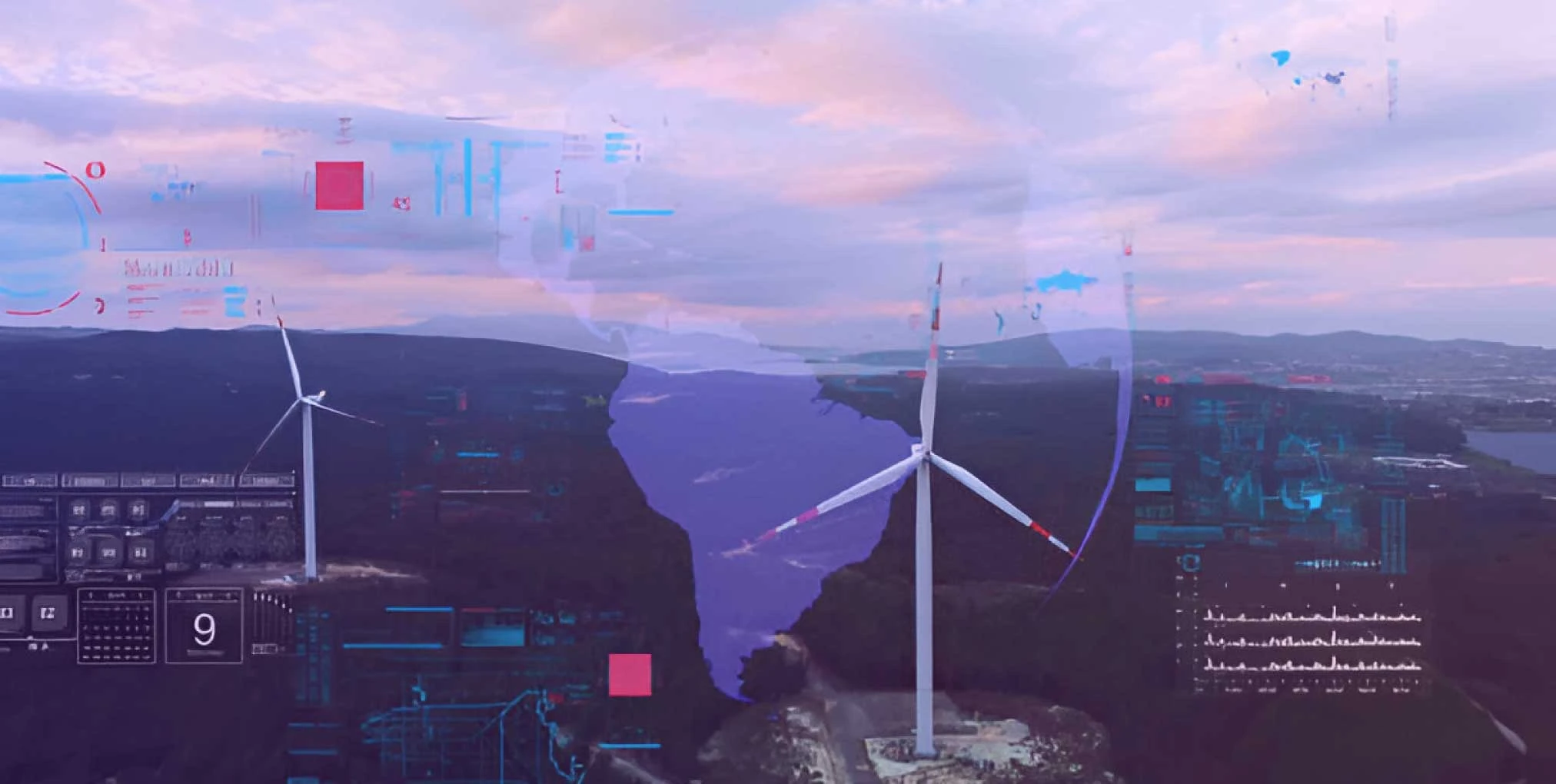 The protection of endangered species, deforestation, and
habitat destruction are some of the critical environmental
challenges that we face today. Monitoring wildlife and
identifying signs of deforestation are central to
conversation efforts. Deep learning, a subset of machine
learning, helps in environmental monitoring applications.
CNN (Convolutional Neural Networks) excel at image-related
tasks, like identifying and classifying wildlife in camera
trap images. Machine learning algorithms can also detect
deforestation by analyzing satellite imagery. It helps
provide alerts for forest degradation, supporting
sustainable forest management practices. In addition,
machine learning is also used to estimate carbon stocks and
forest biomass, which contributes to efforts to reduce the
effects of deforestation on climate change.
The protection of endangered species, deforestation, and
habitat destruction are some of the critical environmental
challenges that we face today. Monitoring wildlife and
identifying signs of deforestation are central to
conversation efforts. Deep learning, a subset of machine
learning, helps in environmental monitoring applications.
CNN (Convolutional Neural Networks) excel at image-related
tasks, like identifying and classifying wildlife in camera
trap images. Machine learning algorithms can also detect
deforestation by analyzing satellite imagery. It helps
provide alerts for forest degradation, supporting
sustainable forest management practices. In addition,
machine learning is also used to estimate carbon stocks and
forest biomass, which contributes to efforts to reduce the
effects of deforestation on climate change.
3-Customer service through chatbots
A few years ago, managing a sheer number of customer inquiries was a major pain point for businesses. The lack of customer support staff was the main reason behind this. Chatbots came to the rescue; that was probably the first kind of automation. It was a landmark in the business applications of machine learning. Chatbots provide automated responses based on input. The early generations of chatbots were not as smart as newer ones because they were trained to follow predefined rules. However, the latest versions of chatbots are more productive and involved due to the incorporation of machine learning with natural language processing (NLP). Now, users can expect straightforward and human-like responses. One of the real-life examples of such a chatbot is IBM’s Watson Assistant. It is built to provide customers with quick and accurate responses across any device and application.
4-Traffic Congestion and Accident Prevention Analysis
One of the real-world AI applications is traffic congestion and accident prevention analysis. Traffic congestion is a common problem in metropolitan cities, which affects the environment and quality of life. Machine learning algorithms can analyze real-time traffic data, identify the causes of traffic congestion, suggest alternative routes, and optimize traffic management. This can help reduce travel time, greenhouse gas emissions, and fuel consumption. Machine learning uses data optimization techniques, such as routing, scheduling, and control, to improve the safety of traffic systems and reduce the impact of traffic congestion. Machine learning models can also identify fuel-efficient driving patterns, predict maintenance needs, and optimize routing and scheduling. It not only improves fleet management operations but also contributes to cost savings.
5-Fraudulent financial transaction detection
 Fraudulent financial transactions continue to soar.
According to a recent Juniper Research report, the global cost of online payment fraud is expected to
reach 206 billion dollars by 2025, which was 130 billion
dollars in 2020. Investigating every transaction is not
feasible in terms of efficiency and cost involved.
Fraudulent financial transaction detection is one of the
real-world use cases of machine learning. Fraud detection
machine learning tools help organizations efficiently and
quickly detect and mitigate fraudulent financial
transactions. Machine learning can help automatically build
predictive maintenance models to identify transactions that
appear fraudulent and prioritize possible fraudulent
activities. This can help financial organizations and banks
save money on chargebacks.
Fraudulent financial transactions continue to soar.
According to a recent Juniper Research report, the global cost of online payment fraud is expected to
reach 206 billion dollars by 2025, which was 130 billion
dollars in 2020. Investigating every transaction is not
feasible in terms of efficiency and cost involved.
Fraudulent financial transaction detection is one of the
real-world use cases of machine learning. Fraud detection
machine learning tools help organizations efficiently and
quickly detect and mitigate fraudulent financial
transactions. Machine learning can help automatically build
predictive maintenance models to identify transactions that
appear fraudulent and prioritize possible fraudulent
activities. This can help financial organizations and banks
save money on chargebacks.
The bottom Line:
Machine learning is the most rapidly growing technology that can be used to improve and transform our daily lives. However, it is important to monitor how we deploy it across different industries to predict possible outcomes and improve efficiency. Since it is based on algorithms, even a slight change in data can significantly impact the results.